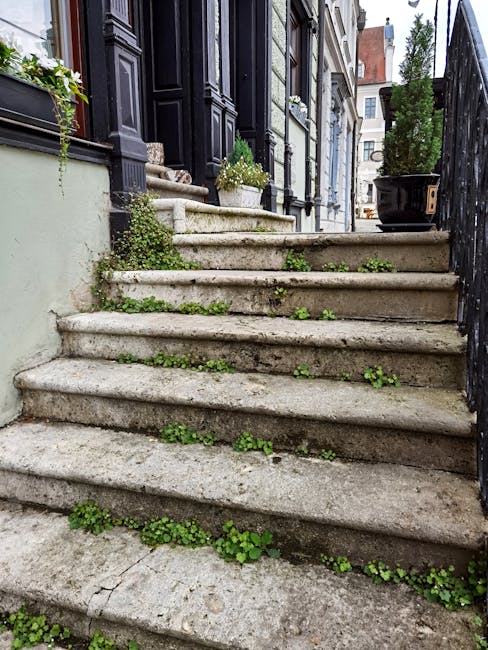
Whetstone removals advice for listed houses and stairs
If you are moving in Whetstone and your property is a listed house, or your only real access is a narrow staircase, the move can feel more delicate than difficult. The truth is, most problems on these jobs come from poor planning, not heavy furniture. With the right Whetstone removals advice for listed houses and stairs, you can protect the building, reduce stress, and avoid those awkward moments where a sofa simply refuses to turn the corner.
This guide brings together practical moving advice, access tips, and a few hard-won lessons from real-life removal jobs. It covers what makes listed buildings different, how stair access changes the plan, what to tell your removal team, and how to avoid damage to plaster, bannisters, floors, and your own nerves. If you are comparing support options, pages like house removals, home moves, and packing and boxes can also be useful while you plan the bigger picture.
Table of Contents
- Why this advice matters
- How the process works
- Key benefits and practical advantages
- Who this is for and when it makes sense
- Step-by-step guidance
- Expert tips for better results
- Common mistakes to avoid
- Tools, resources and recommendations
- Law, compliance, standards, and best practice
- Options and comparison table
- Case study / real-world example
- Practical checklist
- Conclusion
- Frequently asked questions
Why Whetstone removals advice for listed houses and stairs Matters
Listed buildings ask for more care than standard homes. That is not just a planning issue; it affects how furniture is moved, how protection is laid, and how much time a job needs. Add a steep staircase, a twisty landing, or a narrow front door, and the margins get tight very quickly.
In a normal move, you may only need to think about van access and box labelling. In a listed house, you also need to think about original features. That might mean old timber bannisters, fragile wall finishes, stone steps, uneven thresholds, or flooring that marks easily. You do not want a scratched staircase on day one of your new chapter. Nobody does.
There is also the practical side. Stairs slow movement, especially for bulky items like wardrobes, beds, mirrors, and white goods. If the building has awkward turns, low ceilings, or split levels, items may need to be dismantled before they move at all. That is where good advice pays for itself.
Expert summary: the more valuable or sensitive the building, the more important the pre-move survey becomes. For listed houses and stair-heavy properties, you are not just moving belongings; you are managing risk, access, and time.
If you are in the early planning stage, it can help to look at broader moving support such as removals and removal services so you can match the level of help to the property, not the other way round.
How Whetstone removals advice for listed houses and stairs Works
Good removals advice starts before anyone lifts a box. The best teams usually begin with access questions: Where can the van park? How wide is the staircase? Are there turns on the landing? Is the building listed, and are there any restrictions on fixing protection to walls or floors? These are not fussy questions. They are the job.
Once the access picture is clear, the move is broken into stages. First comes the survey or detailed conversation. Then comes the packing plan, then item protection, then route planning, and finally the actual move. On stair jobs, the order matters because once a dresser or sofa is halfway up a stairwell, improvising becomes expensive very quickly.
In practice, this often means:
- measuring large furniture against doorways, turns, and stair widths
- identifying fragile architectural features that need protection
- deciding what should be dismantled in advance
- staging boxes so the stairs are never completely blocked
- building in a little extra time for careful manoeuvring
That final point matters more than people think. A move that looks straightforward on paper can become slow once the first awkward mattress appears at the top of the stairs and everyone pauses for a rethink. A sensible plan leaves room for that pause.
Where access is especially tight, a more flexible setup such as a man with van style service may suit small moves, while larger household moves may need a bigger vehicle or full crew. The right answer depends on volume, building layout, and how much lifting is involved.
Key Benefits and Practical Advantages
There are a few clear benefits to treating listed-house and stair removals as a specialist job rather than a standard move with a few extra steps. Literally, yes, extra steps.
Less risk of damage
That is the obvious one. Careful planning reduces the chance of scuffed bannisters, chipped plaster, dented furniture, or marks on old floors. In listed properties, a small mistake can feel bigger because materials are often harder to replace or match.
Smoother timing on moving day
When the route is clear and the packing is sensible, the day runs more calmly. You spend less time standing in a hallway wondering whether the wardrobe will make the turn. Less drama, fewer delays, better mood. Everyone wins.
Better protection for the building
Listed houses often have features that deserve respect: original steps, carved stair rails, period tiles, or delicate paintwork. Proper protection helps preserve them, which is important for both appearance and long-term value.
Reduced physical strain
Stairs are tiring. They are tiring even when you are fit. A well-planned move uses the right team size, the right lifting method, and the right order of operations so the work feels controlled rather than rushed.
Improved decision-making
Once you know what will fit, what will not, and what needs dismantling, the rest of the move becomes easier to schedule. You can decide whether to use storage, whether to split the move into phases, or whether to book extra packing help.
If you are comparing support levels, pages like packing and unpacking services and storage can be useful for particularly tight or staged moves.
Who This Is For and When It Makes Sense
This advice is for anyone moving in or out of a listed house, especially where stairs are part of the challenge. That might be a Georgian terrace, a Victorian conversion, a period cottage with narrow access, or a townhouse with a staircase that looks charming until you try to move a sofa up it.
It is especially relevant if you are:
- moving heavy furniture through a narrow stairwell
- dealing with original finishes that can mark easily
- trying to avoid damage to bannisters, walls, or flooring
- moving in winter when damp steps and low light make things trickier
- working to a fixed completion date and need the day to stay on schedule
It also makes sense if you are a landlord, homeowner, or managing agent trying to coordinate a move without upsetting neighbours or breaching property rules. In terraced streets around Whetstone, tight parking and shared access can turn a simple lift-and-load into a small logistical puzzle.
For larger family relocations, you may also want to look at house removalists or house removals if you need a more complete service. If the move is smaller and time is tight, same day removals may be worth discussing, though stair access can still affect availability.
Step-by-Step Guidance
Here is the part that saves most people the most stress. If you follow a simple sequence, you will usually uncover the issues before moving day rather than during it.
- Measure the critical points. Measure the widest furniture pieces, the narrowest staircase point, landings, hallway turns, door openings, and any low beams. Do not guess. Guessing is where awkward surprises live.
- Identify the fragile features. Look closely at stair edges, walls, floors, and decorative details. If the house is listed, note anything original, old, or easily marked. Take photos if useful.
- Decide what needs dismantling. Beds, wardrobes, dining tables, and some shelving units often move better in sections. If it was assembled through a staircase, it may need reversing that process.
- Prepare a clear route. Clear shoes, rugs, plants, loose items, and anything that could snag. One stray umbrella stand can be a surprisingly good way to ruin a quiet morning.
- Protect the building. Use floor coverings, corner protection, and stair protection where appropriate. For listed properties, choose methods that do not damage the fabric of the building.
- Pack in movement order. Label boxes by room and, if possible, by priority. Heavy items lower, lighter items higher, fragile boxes separate. Keep the stairwell free from clutter.
- Stage the van load. Put the heaviest and least fragile items in first, then build around them. This helps prevent endless reshuffling on arrival.
- Leave a buffer. Give yourself more time than you think you need. A staircase with a turn halfway up can add twenty minutes. Or more. Sometimes a lot more.
A small but useful habit: walk the route from front door to final room with your hands free, just as the movers will do. You will spot pinch points that are easy to miss when you are carrying a kettle and worrying about keys.
Expert Tips for Better Results
These are the kinds of details that make the day easier. They are not glamorous, but they do work.
Tip 1: Photograph awkward items before dismantling
Take quick photos of beds, shelves, and fittings before they come apart. It makes reassembly faster and reduces the "which screw was that?" moment later on.
Tip 2: Protect the staircase before the first item moves
Once the moving starts, there is no nice moment to stop and hunt for coverings. Have protection ready before the first lift. That way the team can work in a rhythm rather than pausing every two minutes.
Tip 3: Move one problem at a time
Do not stack awkward jobs together. For example, if the sofa is tight on the staircase, do not also plan to carry boxes behind it. Separate the difficult items and give them attention.
Tip 4: Keep fragile items away from stair traffic
Anything breakable should travel separately from the main stair flow. Mirrors, lamps, picture frames, and glass tops are best handled with calm, direct movement. Not in a rush, not in a crowd.
Tip 5: Ask about insurance and handling standards
For a listed property, you want reassurance that the team works carefully and understands how to minimise damage. It is sensible to review insurance and safety before you book, especially if you have antiques, inherited furniture, or original features to protect.
And yes, sometimes the best tip is simply this: slow down. A tidy, careful move almost always beats a fast one when stairs are involved.
Common Mistakes to Avoid
Most moving headaches are predictable. The slightly annoying part is that they are predictable only after you have seen them happen once.
- Ignoring measurements. A sofa that fits your lounge may still fail on a turning stairwell.
- Assuming all listed houses are similar. They are not. Some are roomy; some are a puzzle in a brick shell.
- Overpacking boxes. Heavy boxes on stairs are awkward and risky. They also slow everyone down.
- Forgetting neighbour access. Shared entrances, narrow drives, and street parking can cause delays if not planned early.
- Leaving dismantling too late. If a wardrobe needs to come apart, do it before moving day, not while the van is waiting.
- Skipping protection. A few minutes saved can become a repair bill later. No thanks.
- Underestimating the effect of weather. Wet shoes, damp steps, and dark evenings all make stair moves slower and less forgiving.
One common slip-up is thinking, "We can always just carry it carefully." Careful is good. But if the item is too big for the angle, careful alone is not a plan.
Tools, Resources and Recommendations
You do not need a van full of specialist kit to move safely, but a few practical tools make a big difference.
Useful tools
- measuring tape for furniture, doors, and stair widths
- blankets, wraps, and corner protection for furniture
- floor coverings for hallways and stair runs
- labels and marker pens for room-by-room packing
- basic tools for dismantling beds and furniture
- strong tape, but not the kind that leaves a mess everywhere, obviously
Helpful service options
Some moves are better with a smaller vehicle and a nimble team, while others need more space and load capacity. If your access is tight but the item list is manageable, man with a van or removal van options may fit the job. For larger loads, a moving truck or a full removals setup may be more practical.
If you are moving part of a home rather than the whole property, furniture removals or furniture pick up can help with large or awkward items. Students, meanwhile, often benefit from a lighter-touch plan, so student removals may be more relevant where the load is small but access is still fiddly.
Law, Compliance, Standards, or Best Practice
With listed buildings, best practice matters. You should always check whether the property has any restrictions on alterations, fixings, or temporary protection methods before making changes to the structure or finishes. If in doubt, the safest route is to keep protection non-invasive and reversible.
For movers and homeowners alike, common-sense compliance means three things: avoid damage, avoid unsafe lifting, and avoid blocking shared access without agreement. In a practical sense, that means planning the route, telling the right people, and not treating a stairwell like a loading bay.
Health and safety is also part of the picture. Good handling technique, suitable team size, and sensible load limits are part of normal moving practice. If you are arranging a more involved move, it helps to review a company's health and safety policy and general terms and conditions so expectations are clear before moving day.
For people who care about security, payment handling, and responsible working practices, the website's pages on payment and security, privacy policy, and recycling and sustainability may also be worth a look while you compare providers. That sort of transparency is reassuring, and honestly, it should be standard.
Options, Methods, or Comparison Table
The right approach depends on how much you are moving, how awkward the stairs are, and how sensitive the building is. Here is a simple comparison to help you think it through.
| Option | Best for | Strengths | Watch-outs |
|---|---|---|---|
| Man and van | Smaller moves, single rooms, lighter loads | Flexible, often efficient for awkward access | May not suit very large furniture or full-house moves |
| Full house removals | Whole-home moves, families, larger inventories | More team support, better for complex stair work | Needs more planning and a clearer access survey |
| Storage plus staged move | Where access is tight or timing is split | Reduces pressure on the day, helps with awkward items | Extra coordination and possible added cost |
| Furniture-only support | One-off large items, antiques, or problem pieces | Focuses effort where it is needed most | Still needs careful measurements and route planning |
If you are unsure which route fits, a good starting point is a quote conversation tied to access details. The page on pricing and quotes can help frame that discussion in a sensible way. Not every move needs the same level of service, and that is fine.
Case Study or Real-World Example
Here is a realistic example. A family in a listed Whetstone townhouse needed to move out of an upper-floor home with a tight staircase and a small landing turn. Their biggest issue was not the number of boxes; it was the dining table, a tall bookcase, and a headboard that looked fine in the dining room but suddenly seemed enormous on the stairs.
Before the move, they measured the stair width and realised the table would need to be dismantled. They also protected the bannister and original floorboards, moved fragile items first, and kept one person free to clear the route as the team worked. Nothing dramatic happened. That was the point.
The move still took patience. A few pauses, a bit of lifting, a careful shuffle on the landing. But because the plan was solid, there was no damage, no rushed decisions, and no panic when the largest pieces came through the hallway. A very ordinary-looking success, which is often the best kind.
What made the difference? Simple: they treated the house like a heritage property and the stairs like a constraint, not an inconvenience.
Practical Checklist
Use this before moving day. It is small, but it catches a lot.
- Measure all large furniture and the narrowest points in the route
- Check whether the property is listed and note any fragile features
- Confirm parking, access, and loading arrangements
- Decide which items need dismantling
- Label boxes clearly by room and priority
- Pack heavy items into smaller boxes for easier stair carrying
- Prepare floor protection and stair protection
- Keep hallways and landings clear of clutter
- Set aside essentials for first-night access
- Review insurance, safety, and moving terms before the job starts
Useful extra step: make a note of anything you would be upset to see scratched. That tends to sharpen the planning very quickly.
Get a free quote today and see how much you can save.
Conclusion
Listed houses and stairs do not make removals impossible. They just ask for more care, better planning, and a calmer pace. Once you accept that, the whole process becomes more manageable. Measure properly, protect the building, dismantle the awkward pieces, and choose the right level of removal support for the job in front of you.
That is really the heart of good Whetstone removals advice for listed houses and stairs: respect the property, respect the route, and give yourself enough time to do the move well. You will feel the difference on the day, and probably the next morning too, when there is no hidden damage waiting to greet you.
And if the staircase looks a bit intimidating now? Fair enough. With the right plan, it usually turns out to be just another part of the job.
Frequently Asked Questions
Do listed houses need special removals planning?
Yes, usually. Listed houses often have fragile finishes, original stair details, or layout quirks that make planning more important than in a standard property. The move may still be straightforward, but it should not be treated casually.
Why are stairs such a problem during removals?
Stairs create tight turning points, extra lifting, and more risk of damage. They also slow the job down. A staircase that looks fine empty can become awkward once a mattress, wardrobe, or sofa is moving through it.
How do I know if my furniture will fit up or down the stairs?
Measure the widest parts of the item and compare them with the narrowest points on the route, including turns and landings. If the item is close to the limit, assume it may need dismantling or a different lifting approach.
Should I dismantle furniture before moving day?
If you know an item is bulky or awkward, yes, ideally. Beds, wardrobes, and some tables often move better in parts. It saves time on the day and reduces the chance of forcing something through a narrow space.
What should I tell the removals team before the job?
Tell them about stair widths, turn sizes, parking, listed-building features, fragile surfaces, and any furniture that may not fit in one piece. The more accurate the information, the better the plan.
Is a man and van service enough for a listed house move?
Sometimes, but not always. Smaller moves or single-item jobs may suit a lighter service, while larger homes usually need more team support. The deciding factors are volume, access, and how awkward the stairs are.
What is the biggest mistake people make with stair moves?
Assuming careful lifting is enough without measuring first. In reality, the route matters as much as the item itself. If the angle or landing is wrong, even a carefully carried piece can stall.
How can I protect bannisters and floors during the move?
Use suitable floor coverings and edge protection before moving starts. Keep the route clear, and make sure protection stays in place until the last awkward item is out. If the building is listed, choose non-invasive methods that will not damage the fabric of the property.
Do I need storage if my listed-house move has stair problems?
Not always, but storage can help if you need to split the move or hold back awkward furniture while access is sorted. It is especially useful when there is a gap between completion dates or if the staircase cannot safely take everything at once.
How much extra time should I allow for a stair-heavy move?
It depends on the property, but allow more time than you would for a flat access move. Narrow stairs, turns, and fragile features all slow things down. A bit of buffer time makes the day feel calmer and usually keeps costs more predictable.
Can I move antiques or heirlooms through a listed house safely?
Yes, but they should be handled with extra care and properly protected. For anything especially valuable, it is worth discussing handling, packing, and insurance before moving day so there are no grey areas later.
What should I do if the staircase is too tight on the day?
Stop and reassess rather than forcing the item through. The safest answer may be dismantling, changing the route, or using a different item-handling method. A brief pause is much cheaper than repairing damaged plaster or furniture.