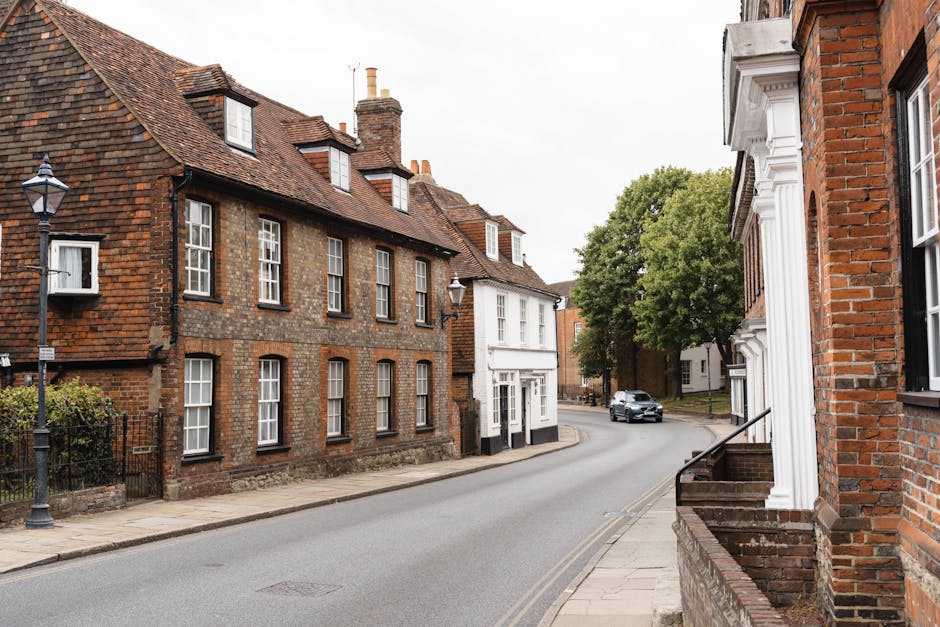
Removals High Barnet guide for narrow streets and access
Posted on 04/07/2026
If you are moving in High Barnet, you already know the problem: the streets can be tight, parking can be awkward, and a perfectly normal house move can turn into a small logistics puzzle. That is exactly why a Removals High Barnet guide for narrow streets and access matters. The right plan can save time, reduce stress, and protect your belongings from avoidable scrapes, delays, and the odd bit of neighbourly friction.
This guide is written for real-world moving conditions in Barnet, not ideal ones. We will look at how access works on narrow roads, what to check before moving day, how to choose the best vehicle and crew, and which mistakes catch people out most often. If you want a calmer move, a little local knowledge goes a long way. Truth be told, it often makes the difference between a smooth morning and a long, sweaty afternoon with a van stuck halfway out of a cul-de-sac.

Why Removals High Barnet guide for narrow streets and access Matters
High Barnet has plenty of residential streets where space is limited, turning circles are not generous, and roadside parking can change the entire feel of a move. That is not unusual in London, of course, but it does mean you cannot treat every removal job the same way. A large lorry may be the wrong fit; a smaller vehicle, a timed arrival, or a shuttle approach may work better.
Access matters for three main reasons. First, it affects safety. When a van is too large for a narrow street, everyone has to work harder, and harder usually means riskier. Second, it affects speed. If the crew has to carry items farther than expected, loading and unloading takes longer. Third, it affects cost. More labour time, more handling, and more waiting can all increase the price, even if the move itself is straightforward inside the property.
There is also the neighbour factor. In a place like High Barnet, where roads can be close-knit and traffic can already be a bit of a faff, being considerate matters. You want to avoid blocking driveways, drawing complaints, or making it impossible for other vehicles to pass. A good plan helps with all of that.
Practical takeaway: narrow streets are not just a parking issue. They affect vehicle choice, crew size, timing, handling method, and how smoothly your whole moving day runs.
How Removals High Barnet guide for narrow streets and access Works
The process starts before the van arrives. A proper access plan usually begins with a few simple questions: Can a van stop outside the property? Is the road wide enough for safe loading? Are there low trees, tight bends, parked cars, or one-way restrictions that complicate things? You do not need to be an expert to answer these, but you do need to look carefully.
In practice, a move in a narrow street often uses one of three approaches:
- Direct loading from outside the property, if parking and road width allow it.
- Short-carry loading, where items are carried a short distance from the door to the van.
- Shuttle loading, where a smaller vehicle or van makes repeated runs if a larger vehicle cannot get close enough.
That sounds technical, but it is really just about matching the method to the street. A careful mover will also think about stairways, basement flats, internal hallway width, and whether larger furniture needs partial dismantling. A sofa that looks fine in a front room can become an awkward beast on a tight stairwell. Happens more often than people expect.
For flats, maisonettes, and converted properties, access planning is even more important. If you are moving from a top-floor flat, it helps to tell the removal team in advance whether there is a lift, whether it works on the day, and whether the corridor is narrow. You can also see useful background on flat moves through flat removals in Barnet and, for broader moving support, Barnet removals services.
Key Benefits and Practical Advantages
When access is planned properly, the benefits are immediate. You usually get less stress, fewer surprises, and a more efficient day overall. But there are a few advantages that are easy to miss if you only think about the van itself.
- Less lifting distance: shorter carries reduce fatigue and lower the chance of damage.
- Better timing: accurate planning helps the crew arrive with the right vehicle and enough help.
- Improved safety: careful parking and movement reduce risk to belongings, people, and vehicles.
- Fewer disputes: clear arrangements with neighbours, landlords, or building managers make the day calmer.
- More suitable service choice: sometimes a man and van setup is simply more practical than a larger vehicle.
There is a commercial side too. If you are comparing services, the right access plan can make quotes more reliable. A company that asks detailed questions about access is usually less likely to surprise you later. That is reassuring, especially when you are trying to keep a move on budget. If you are still weighing options, you may find man with a van in Barnet useful for smaller, tighter jobs, while larger households may lean toward house removals in Barnet.
Who This Is For and When It Makes Sense
This guide is for anyone moving in or around High Barnet where access might not be straightforward. That includes first-time buyers, renters, downsizers, families moving between local streets, and people moving into flats or older terraces. It is also relevant if you are moving a piano, large wardrobes, heavy furniture, or office equipment that needs extra care.
It makes particular sense if any of the following sound familiar:
- The street outside your home is too narrow for two-way traffic to pass comfortably.
- Parking is limited or heavily used through the day.
- You are in a flat with stairs, a shared entrance, or no lift.
- Your furniture includes bulky items that need dismantling or specialist handling.
- You need a same-day move and cannot afford delays.
For students, the same access issues still apply, even if the move is smaller. Boxes add up quickly, and a few awkward flights of stairs can be more tiring than expected. If that is your situation, student removals in Barnet may be the better fit. If the job is office-related rather than domestic, office removals in Barnet can help you think through equipment, timing, and access differently.
Step-by-Step Guidance
Here is the process we would recommend for a narrow-street move in High Barnet. Keep it simple, but do not skip the details. The details are the job.
- Check the street properly. Walk outside and look at where a van could realistically stop. Note any pinch points, parked cars, loading restrictions, or awkward turns.
- Measure the awkward items. Sofas, beds, wardrobes, and appliances are the usual troublemakers. Measure height, width, and depth, plus stair turns if needed.
- Tell the removal company about access early. Be specific. Say if the property is top-floor, basement, terraced, or on a road with tight parking. The more honest you are, the better the plan.
- Decide whether packing needs to happen first. Good packing reduces handling time. It also makes short carries much less stressful. If you need help, packing and boxes in Barnet is worth considering.
- Arrange any permissions needed. If a landlord, building manager, or neighbour needs advance notice, give it. A five-minute conversation can prevent a messy morning later.
- Choose the right vehicle and crew size. In a narrow street, smaller may be smarter. Bigger is not always better, and on some roads, it is plainly the wrong answer.
- Prepare the property on the day. Clear hallways, open doors, protect floors where needed, and keep pets and children safely out of the way.
- Stay reachable. If parking changes or a route closes unexpectedly, the crew may need to contact you quickly. Simple, but useful.
If you are moving on a tight timetable, see whether same day removals in Barnet are suitable. They are not for every move, naturally, but they can be a lifesaver when plans change.
Expert Tips for Better Results
Most access problems in High Barnet are manageable if you think ahead. The trick is to think one layer deeper than the average mover.
1. Assume the van may not park right outside. If it does, great. If it does not, you are not scrambling. This mindset alone saves stress.
2. Break down bulky furniture in advance where possible. Bed frames, table legs, shelving, and some wardrobes move much better in parts. It is a bit fiddly, yes, but less fiddly than forcing a corner around a stairwell.
3. Protect floors and door frames. Narrow access often means more contact points. Felt pads, blankets, and proper wrapping go a long way.
4. Use colour-coded boxes if you can. It sounds simple, but on a move with multiple trips, it speeds up unloading. Red for kitchen, blue for bedroom, that sort of thing.
5. Build in a buffer. A school run, delivery van, or parked car can change the whole flow of the day. A small time cushion helps everyone.
6. Take photos before the move. Particularly if you have existing marks on walls or tight entrance points. Not because everyone is looking for a dispute, but because memory gets fuzzy when the day is busy.
If your move involves specialist or fragile items, a more tailored service may be better. You can look at furniture removals in Barnet for general bulky items or piano removals in Barnet where extra handling and protection really matter.

Common Mistakes to Avoid
Narrow streets expose weak planning very quickly. A few mistakes crop up again and again, and they are completely avoidable if you know what to look for.
- Guessing the access is fine. "The van should fit" is not a plan. It is a hope, and hopes are not very useful when a large vehicle is blocking the road.
- Underestimating carrying distance. Even an extra 20 or 30 metres matters when you are carrying heavy items up and down steps.
- Forgetting about neighbours and building rules. Some buildings have quiet hours, lift booking systems, or specific moving windows. Check early.
- Not measuring large furniture. If a sofa cannot turn in the stairwell, there is no shortcut that magically fixes it.
- Packing poorly. Weak boxes, loose lids, and overfilled bags create delays and accidents.
- Leaving everything until moving morning. That is when small access problems suddenly feel huge.
One mild but common mistake? People sometimes focus so much on the van that they forget the path from the front door to the road. That route is often the real issue. A hallway with a bend, a low gate, or a shared path can be the thing that slows everything down.
Tools, Resources and Recommendations
You do not need a truckload of specialist kit, but a few practical tools make narrow-street moves much easier.
- Measuring tape: for doors, stair turns, sofas, wardrobes, and appliance widths.
- Furniture blankets and covers: useful for protecting items when the carry is short but awkward.
- Strong packing tape and markers: for labelling and securing boxes.
- Disassembly tools: screwdrivers, Allen keys, and small bags for fittings.
- Floor protection: especially helpful in older homes and communal entrances.
- Storage options: if your move date and access timing do not line up neatly.
If your chain is delayed or your new place is not ready, temporary storage can take the pressure off. That is one of those practical fixes people often forget until the last minute. You can explore storage in Barnet if you need breathing room between properties.
It is also worth understanding the company itself. A team with clear information about service scope, safety, and operating standards is easier to trust. Start with services overview, and if you want to know more about the business behind the move, about us gives useful context.
Law, Compliance, Standards, or Best Practice
Moving home is not usually a heavily regulated activity in the way some trades are, but there are still important standards and duties to keep in mind. In plain English: vehicles should be operated safely, access routes should not be blocked unnecessarily, and handling should be done with care for both people and property. That is basic good practice, but it matters.
If a move takes place on a public road, parking and loading arrangements may need to respect local restrictions. Because those rules vary by street and time of day, it is best not to assume anything. Checking access in advance, communicating clearly, and avoiding obstructive parking are all sensible precautions.
Safety also matters indoors. Good movers will think about manual handling, trip hazards, fragile surfaces, and protecting communal areas. If you want to understand how a provider approaches that side of things, it is sensible to review health and safety policy and insurance and safety. For payment confidence and customer trust, payment and security and terms and conditions are also worth reading before you book.
On the wider responsibility side, many people now ask about waste handling and sustainability. A good removal provider should be able to explain how reusable materials, recycling, and disposal are handled. If that matters to you, have a look at recycling and sustainability. Small detail, maybe, but it builds trust.
Options, Methods, or Comparison Table
Different access situations call for different moving methods. The right choice depends on the street, property type, volume of belongings, and how much time you have. Here is a simple comparison.
| Method | Best for | Pros | Trade-offs |
|---|---|---|---|
| Large removal van | Homes with good road access and parking | Efficient for bigger loads; fewer trips | May struggle on tight streets or narrow turns |
| Man and van | Smaller moves, flats, or awkward parking | Flexible; easier to place in tight roads | May need more trips for larger households |
| Shuttle approach | Restricted streets or blocked access | Useful when the main van cannot get close | Takes more coordination and time |
| Storage-first move | Delayed completion or staged moving dates | Reduces pressure when timing is uncertain | Extra step and potential additional cost |
If you are unsure which method fits your move, compare the scale of your belongings with the access outside the property. Simple rule, really: the less space there is, the more valuable flexibility becomes. For many people, man and van in Barnet gives a good balance of adaptability and value, while larger or more complex moves may suit broader removal services in Barnet.
Case Study or Real-World Example
Picture a typical High Barnet move on a weekday morning. The property is a terraced house on a narrow road with parking already half taken up by residents. The client has a sofa, a bed frame, a washing machine, several boxes of books, and a dining table that looks simple until you try to get it through the hallway.
Instead of sending a large vehicle and hoping for the best, the crew plans a smaller van and a short-carry route. The client clears the hallway the night before, labels the boxes, and disassembles the bed. The washing machine is prepared, the front path is left free, and a neighbour is informed in advance. Nothing dramatic. Just decent planning.
On the day, there is still a minor hitch: a delivery driver briefly blocks part of the street. That happens. But because the route has already been thought through, the crew can wait a few minutes, then move quickly once the space opens. The job finishes on time, with no damage and no raised voices. A boring move, in the best possible way.
That is really the aim. Not excitement. Not heroics. Just a calm, predictable moving day where the street does not beat the plan.
Practical Checklist
Use this checklist a day or two before the move. It is short on purpose.
- Measure large items and note any awkward turns or staircases.
- Check whether the van can stop close enough to the property.
- Look for parking restrictions, low branches, or narrow bends.
- Tell the removal team about flats, lifts, steps, and shared entrances.
- Confirm whether any furniture needs dismantling.
- Pack fragile items securely and label the boxes clearly.
- Clear halls, landings, and doorways.
- Arrange building or neighbour notice where needed.
- Keep keys, documents, and essentials separate.
- Have a phone charged and ready on moving day.
Expert summary: if access is tight, clarity beats guesswork every time. A few measurements, honest communication, and the right vehicle choice will usually do more than last-minute effort ever could.
For more general local context, you may also find the company's removal companies in Barnet page useful, especially if you are comparing providers and want to understand the service style before booking.
Get a free quote today and see how much you can save.
Conclusion
Moving in High Barnet with narrow streets and tricky access is absolutely manageable, but it rewards preparation more than almost anything else. Measure carefully, describe access honestly, choose the right vehicle, and do not leave the awkward bits until the last minute. That is the practical recipe.
If you take one thing from this guide, let it be this: the street outside your home is part of the move, not just the backdrop to it. Once you treat access as a core part of planning, the day feels lighter. Less guesswork. Less rushing. Fewer surprises. And, ideally, a much gentler start to your new chapter.
Moving day can be a bit mad, let's face it. But with a solid plan, even a narrow Barnet street can feel surprisingly manageable.